
Darts Betting Sites: Markets & Features Compared
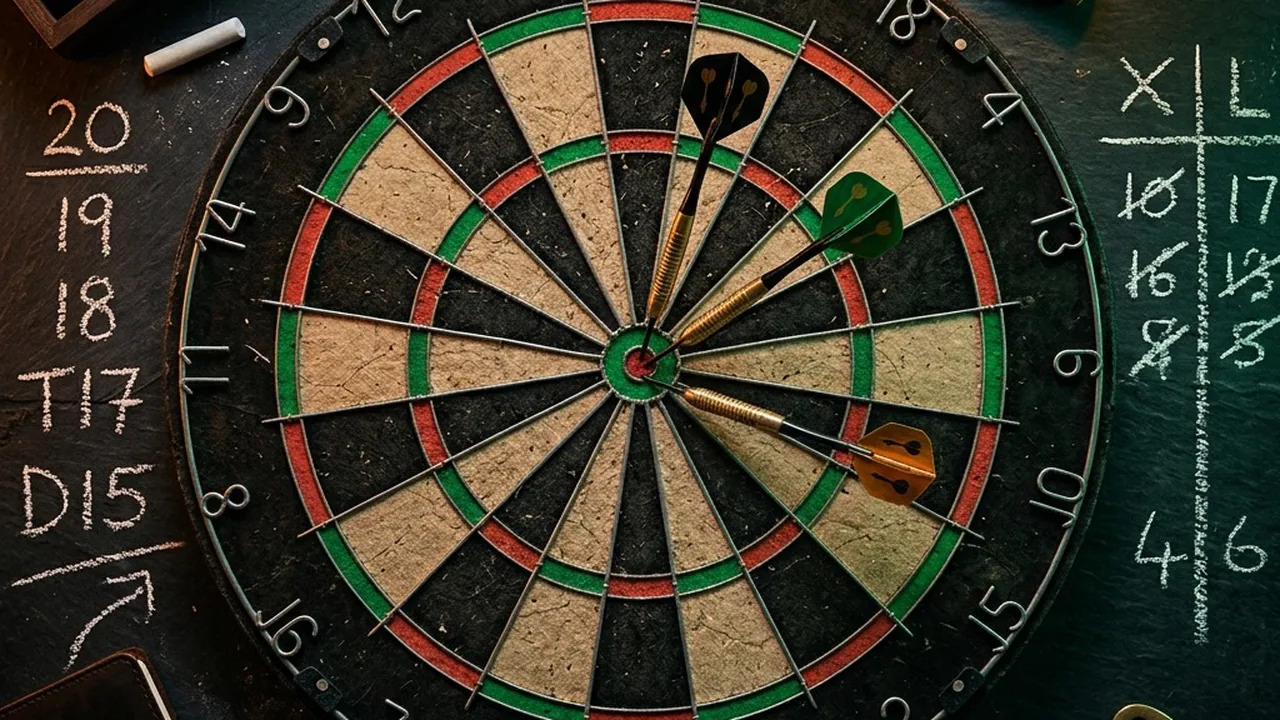
Open two darts betting sites on the night of a World Championship match and they'll look much the same — similar match odds, the same outright favourites, a tidy little markets list. The illusion holds right up until you look anywhere else. Compare them on a midweek Players Championship floor event, or dig into the prop markets and the in-play menu, and the gap between a real darts book and one that merely lists darts opens up fast.
I'm Sid, and I've spent seven years and thirty-three bookmakers' worth of testing finding exactly where that gap sits. This is the companion to my decision guide: where that piece walks through how to choose, this one compares the actual markets and features side by side, so you can see what separates the books rather than just being told to 'look for depth'.
We'll go feature by feature — the baseline match and outright markets everyone carries, the prop markets where books genuinely diverge, the nine-darter and checkout specials, the in-play engines, and the breadth of PDC coverage across the calendar. By the end you'll know which features actually matter and how to read them when you're putting two sites against each other.
The baseline: match and outright markets
Start with what every book has, because it's the part that fools people. The match winner — a straight call, no draws — and the tournament outright are universal. Almost any UKGC-licensed site will price these on a televised PDC event, and they'll price them tightly, because that's where the money goes and where the books can't afford to be wrong.
This is exactly why the headline markets are the worst place to compare sites. They're the most efficient prices any book offers, and they're nearly identical across the market. If you judge two darts sites on their World Championship match odds, you've compared them on the one feature where they're designed to look the same. The differences that matter all sit underneath — and that's where the rest of this comparison lives.
Prop markets: where the books genuinely diverge
The prop markets are the first real fault line. These are the darts-specific bets that reward knowing how players score rather than just who wins: most 180s in a match, total 180s over/under, highest checkout, and the total-legs or correct-score lines. A serious darts book carries all of them, on every match, across the calendar. A book that merely lists darts offers one or two, only on the televised games, and often with a margin so wide they're barely worth betting.
This is where a knowledgeable punter actually makes money, because props hinge on scoring style. A heavy-scoring player who racks up maximums is a 180s bet even in a match they might lose; the highest-checkout line is a bet on finishing power; the total-180s line is really a read on whether two big scorers will trade blows or grind it out. None of that knowledge is any use if the book doesn't price the market — so when you compare two sites, the prop menu on a single match tells you more about the quality of the book than any headline price does.
Nine-darter specials and checkout promotions
Around the majors, the better books run darts-specific promotions, and they're a genuine point of difference. A nine-darter special ties a bonus, free bet or money-back to a perfect nine-dart leg being hit during an event. Checkout specials do something similar for a high finish — an enhanced price or a refund if a player nails a big checkout. These only appear at books that have invested in darts as a market, so their presence is a useful tell.
The trap is letting the promotion lead the decision. A flashy nine-darter offer at a book with thin year-round markets is a poor trade — you'll cash the special once and pay for it the rest of the season in shallow prop lines and slow in-play. Treat specials as a tie-breaker: where two sites are close on coverage, depth and in-play, the one that runs real checkout and nine-darter promotions around the World Championship and the Premier League nights edges ahead, because it signals a trading desk that actually cares about the sport.
In-play engines compared
In-play is where darts books separate hardest, because the sport is built for it — fast, high-scoring and streaky, with prices that should move sharply as a player heats up. The strong books re-price leg by leg, and sometimes within a leg, keeping markets open through a hot streak so you can take or lay value as the momentum shifts. They also stream the event, so you're betting what you can see rather than what a delayed scoreboard tells you.
The weak ones do the opposite. They suspend the market every time something happens, re-open with a noticeable lag, and offer in-play on the showpiece matches only. Betting a live leg market into that kind of engine is a losing trade before you start, because you're always a step behind the true price. When you compare two darts sites for live betting, watch a single match on both: the one whose price reacts to back-to-back 180s while the other is still showing the old number is the one to keep.
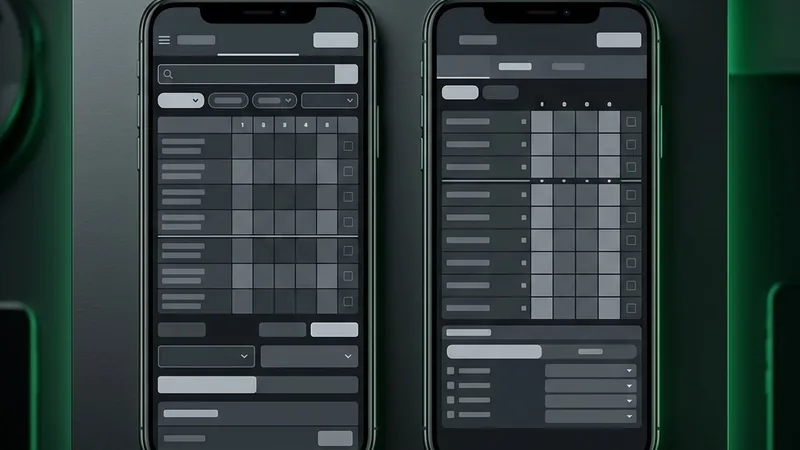
| Feature | Lists darts | Prices darts properly |
|---|---|---|
| Match + outright | Yes (tight, like everyone) | Yes |
| Prop markets | One or two, TV games only | Full set, every match |
| Nine-darter / checkout specials | Rare | Around every major |
| In-play engine | Slow, frequent suspensions | Re-prices leg by leg |
| Streaming | Majors only or none | Most PDC events to funded accounts |
| PDC coverage | Televised majors | Full circuit incl. floor events |
PDC coverage across the calendar
The last feature, and the one that quietly decides where the value is, is breadth of coverage. Every book prices the World Championship at Alexandra Palace and the Premier League nights, because everyone's watching. The real comparison is the rest of the calendar: the European Tour stops, the Players Championship floor events, the qualifiers — the weekday darts the casual bettor never sees.
Those smaller events carry the softer lines, because the trading desks aren't watching them as closely as the televised majors. A book with deep, week-in week-out coverage gives you access to those markets; one that only surfaces the showpieces is fishing you into its most efficient prices. So the single most revealing comparison you can run isn't on the World Championship final — it's pulling up next Tuesday's Players Championship on both sites and seeing which one has actually priced it, and how deep the markets go when it has.
If you'd rather start from first principles, our guide to choosing a darts betting site walks through the decision step by step, and our darts betting explained guide breaks down the markets themselves. To see how specific UK books stack up on the features above, head to our darts betting hub — bet365, Paddy Power and Betfred are the three I'd compare first for prop depth and in-play, each reviewed in full on the site.
Darts markets and features — your questions answered
Do all darts betting sites offer the same markets?
No — and the difference is bigger than most punters realise. Almost every book offers the match winner and a tournament outright, so they look identical on the headline. The gap opens up underneath: the prop markets (most 180s, total 180s, highest checkout), the in-play leg pricing, the nine-darter and checkout specials, and how much of the PDC calendar beyond the majors is priced at all. Two sites can match on the World Championship final and differ completely on a Tuesday Players Championship match.
What is a nine-darter special?
A nine-darter is a perfect leg — checking out 501 in the minimum nine darts — and a nine-darter special is a promotion tied to one happening during an event, typically a bonus, a free bet, or money-back if a nine-darter is hit. The better darts books run them around the majors, alongside checkout specials (enhanced prices or refunds on a high finish). They're a useful sign a book takes darts seriously, but they shouldn't be the only reason you pick a site.
Which darts prop markets are worth comparing?
The ones that reward knowing how players score: most 180s in a match, total 180s over/under, highest checkout, and total legs or correct score. These are where books genuinely diverge — some price all of them on every match, others offer one or two only on televised games. If you bet props, the depth and the range of these markets across the calendar is the most important thing to compare, because it's where your knowledge of a player's scoring style actually pays.
Does in-play darts betting differ between sites?
Significantly. The strong books re-price leg by leg and keep markets open through a player's hot streak, so you can take or lay value as momentum shifts. The weaker ones suspend the market constantly, lag the action, or only offer in-play on the showpiece matches. Since darts is fast and streaky, the quality of a book's in-play engine — and whether it streams the event so you can watch what you're betting — is one of the clearest things that separates the serious darts sites from the rest.
How much PDC coverage should a darts site have?
As much of the circuit as possible. Every book prices the World Championship and the Premier League; the test is whether it also prices the European Tour, the Players Championship floor events and the qualifiers. Those smaller events carry softer lines because the trading desks watch them less closely, so broad coverage is where a knowledgeable punter finds value. A site that only surfaces the televised majors gives you its tightest prices and hides the rest of the calendar.
See our full list of verified licensed British betting sites — every bookmaker checked against the Gambling Commission Public Register.
Compare the best darts bookmakers →18+ only. Please gamble responsibly.
Free help available: gamcare.org.uk | Helpline: 0808 8020 133
Related Posts