
Darts Betting Explained: 180s, Checkouts & How the Markets Work
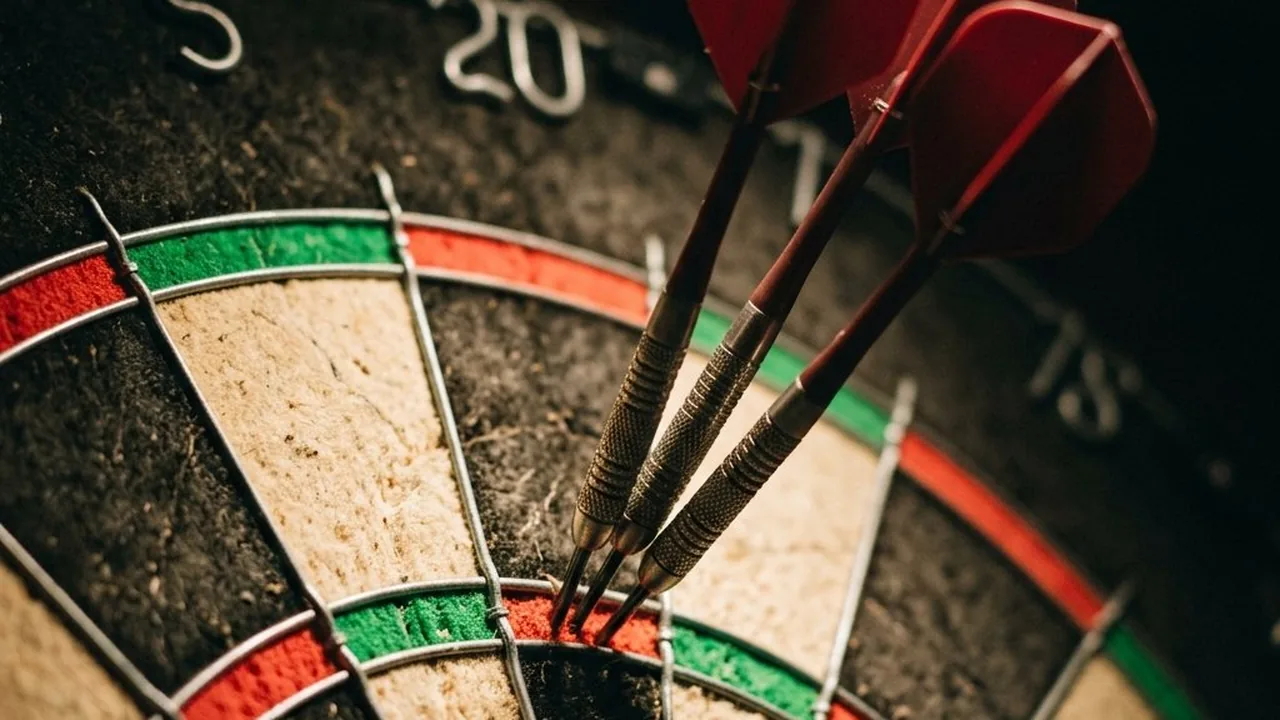
Darts has exploded from a pub game into one of the most enjoyable sports to bet on — fast, high-scoring, packed with atmosphere, and refreshingly simple to follow. With a busy calendar of televised events and clean, readable markets, it's an ideal sport for the bettor who wants action and a genuine chance to use their knowledge.
I'm Sid, and I've spent more hours at the oche than I'd care to admit. The good news for newcomers is that darts betting isn't complicated — but knowing what the key markets and stats actually mean turns it from a guess into an informed bet.
This guide explains the core markets, what a 180 and a checkout really are, the two numbers that tell you most about a player, and how form and the big tournaments shape the betting.
The core darts markets
Darts markets are clean and quick to grasp. The match winner is the staple — a straight call, no draws. The handicap market applies a leg start or deficit to even out a clear favourite, offering a better price on the stronger player or a safety net on the underdog.
The outright winner of a tournament is the headline ante-post bet, best value early. Then there are the darts-specific propositions that make the sport fun to bet: most 180s in a match, total 180s, highest checkout, and total legs. These reward understanding how players score rather than just who's better.
| Market | What it is | Best for |
|---|---|---|
| Match winner | Who wins the match | A clear matchup view |
| Handicap | A leg start/deficit applied | Clear favourites |
| Outright winner | Tournament champion | Early ante-post value |
| Most 180s | Who hits more maximums | Big-scoring players |
| Highest checkout | Biggest finish in the match | High-finishing players |
What's a 180 — and what's a checkout?
Two bits of darts language you'll meet everywhere. A 180 is the maximum score with three darts — all three in the treble 20 — and it's the crowd's favourite moment. The 'most 180s' and 'total 180s' markets are bets on these maximums, and they reward backing the heaviest scorers.
A checkout is how a player finishes a leg — the combination of darts that takes them from a remaining score down to exactly zero, ending on a double. The 'highest checkout' market bets on the biggest such finish in a match. A high checkout percentage — how often a player nails their finishing double — is one of the clearest signs of a player in form.

The two stats that matter most
If you only track two numbers, make them the three-dart average and the checkout percentage. The three-dart average is how many points a player scores per three darts across a match — a measure of raw scoring power, with the best players regularly averaging in the high 90s or above 100.
The checkout percentage is how reliably they finish when they get a chance at a double — the difference between dominating the scoring and actually winning legs. A player can score heavily but lose if their doubles desert them. Together, these two numbers tell you more about current form than the ranking does, and they're the foundation of any sensible darts bet.
Match betting vs the prop markets
Once you've got the core stats, the question is which markets to actually bet — and darts splits neatly into two approaches.
Match and outright betting is about who wins, and here the three-dart average and checkout percentage do most of the work: back the player whose scoring and finishing form suggests they're genuinely on song, and use the handicap market to get a fairer price on a clear favourite. This is the bread and butter, and the most reliable place for a knowledgeable punter to find value, because form in darts is real and visible.
The prop markets — most 180s, total 180s, highest checkout — are a different game, and they reward a different kind of knowledge. These hinge on scoring style rather than who wins: a heavy-scoring player who racks up maximums is the one to back for 180s even in a match they might lose, while the total-180s line is really a bet on whether two big scorers will trade blows or grind it out. They're enjoyable and can offer value when you know how specific players score, but treat them as their own discipline — a player can lose the match and still win you the 180s bet. Match the market to what you actually know about the players in front of you, and don't spread yourself across props you're guessing at.
Form, streaks and the big tournaments
Darts is a streaky, confidence-driven sport. A player in a hot run, throwing well and finishing clinically, can carry that form through a tournament — and the market doesn't always price a surge quickly enough, which is where value appears. Equally, a struggling player rarely turns it around overnight.
The sport's calendar builds around its majors — the World Championship over the festive period, the World Matchplay in summer, and the Premier League run through the year. Each has its own format and quirks, so it pays to know whether you're betting a sets-based event or a legs-based one. Track the averages and checkouts, respect form and streaks, and bet the players and matchups you actually understand.
The major tournaments and their formats
Darts betting is shaped by its calendar of majors, and each plays a little differently — knowing the format is part of betting them well. The World Championship over the festive period is the biggest of all, played in sets (each set made up of legs), which adds a layer of structure and can make matches swing on key sets rather than individual legs. The World Matchplay in summer is played in straight legs and must be won by two clear, a longer, more gruelling test. The Premier League runs through much of the year as a league of weekly nights, rewarding consistency over a campaign rather than single-event form.
For the bettor, the practical lesson is to check whether you're betting a sets-based or legs-based event, because it changes how variance works and which markets make sense. The core stats — three-dart average and checkout percentage — travel across all of them, but the format tells you how much a favourite's quality is likely to tell. Match the way you bet to the event in front of you, and respect that form and confidence, so visible in darts, are often your best guide once you know the format.
Ready for a specific major? Our World Matchplay darts betting guide digs into one of the summer's biggest events, and there's more across our darts betting hub.
Darts betting — your questions answered
What's the simplest darts bet?
The match winner — a straight call on who wins, with no draws. It's the cleanest place to start. Once comfortable, the handicap, 180s and checkout markets let you use deeper knowledge of how players score and finish.
What is a 180 in darts?
A 180 is the maximum score with three darts — all three landing in the treble 20. It's the crowd's favourite moment, and the 'most 180s' and 'total 180s' markets are bets on these maximums, rewarding backers of the heaviest scorers.
What is a checkout?
A checkout is how a player finishes a leg — the darts that take them from their remaining score down to exactly zero, ending on a double. The 'highest checkout' market bets on the biggest finish in a match, and checkout percentage is a key form indicator.
What stats should I look at for darts?
The two that matter most are the three-dart average (raw scoring power, with top players averaging high 90s or above 100) and the checkout percentage (how reliably they finish on a double). Together they reveal current form better than the ranking does.
Why does form matter so much in darts?
Darts is streaky and confidence-driven — a player in a hot run, scoring heavily and finishing clinically, can ride that form through a tournament, and the market doesn't always adjust quickly enough. Respecting form and streaks is central to finding value.
Ready to bet on the PDC? Compare the best darts bookmakers for the World Championship and Premier League Darts below.
Compare the best darts bookmakers →18+ only. Please gamble responsibly.
Free help available: gamcare.org.uk | Helpline: 0808 8020 133
Related Posts