
Cheltenham Festival Betting Guide: Ante-Post, Each-Way & the Big Races
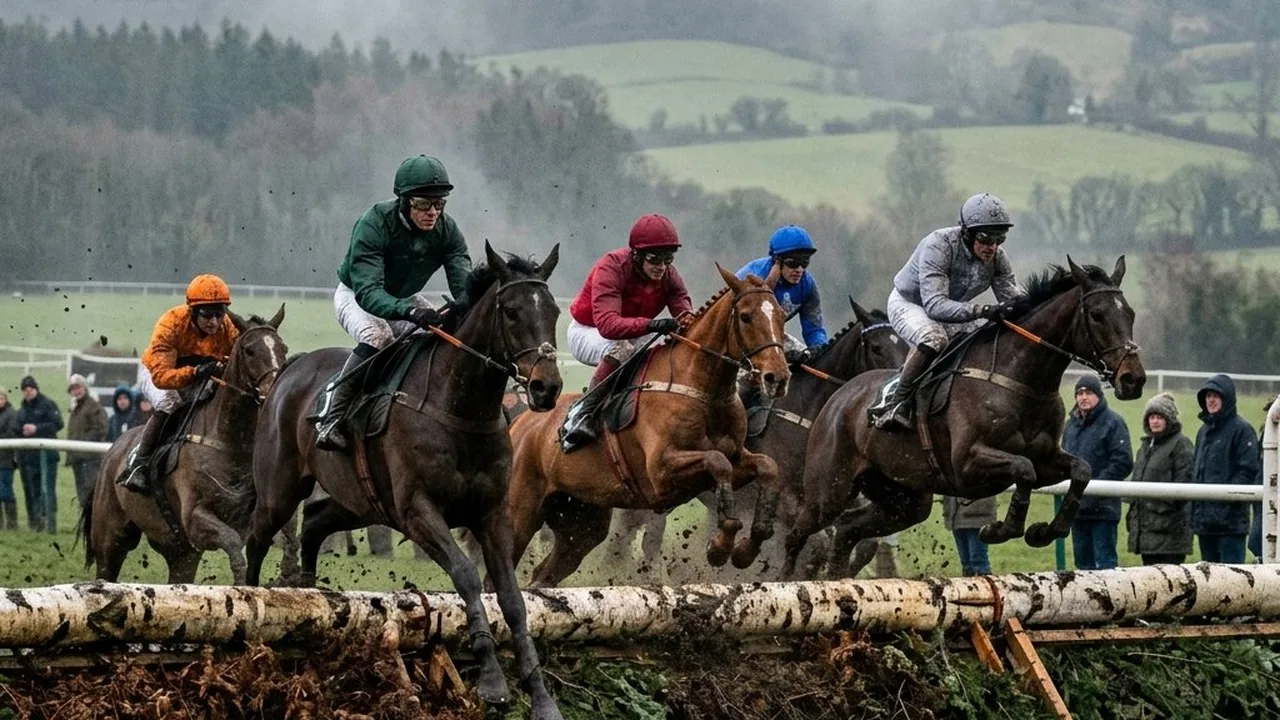
The Cheltenham Festival is the pinnacle of National Hunt racing — four days in March when the best chasers and hurdlers in Britain and Ireland meet, watched by a roaring crowd and bet on by the entire country. For the jumps punter, it's the biggest week of the year, and the ante-post markets that lead into it have been forming since Christmas.
Cheltenham rewards the punter who plans. The championship races are the headline acts, but the festival's fiendishly competitive handicaps are where a lot of the value lives — and where the form study you've done over the winter pays off.
This guide covers the ante-post angle that defines Cheltenham betting, the championship races that anchor each day, where the handicap value hides, and how to stake across four intense days without coming unstuck.
The ante-post angle
More than any other meeting, Cheltenham is an ante-post festival. The serious value appears in December and January, when the big trials are run and a strong performance can halve a horse's price overnight. By the time the festival arrives, the obvious contenders are short.
The ante-post punter takes a bigger price months out, accepting the risk that the horse may not run. It's a long game and it ties up your stake, but it's where the real edges in jumps betting are found. Monitor the key trials through the winter, identify your festival targets early, and act before the market firms up.
The championship races
Each day of the festival is built around a championship race. The Champion Hurdle, the Queen Mother Champion Chase, the Stayers' Hurdle and the Cheltenham Gold Cup are the four pillars — the races that crown the season's best in their division and draw the shortest, sharpest markets.
In these, the form is exposed and the prices reflect it, so the betting skill is in judging which top horse is best suited to the test — the trip, the going, the likely pace. They're rarely big value, but they're the races everyone wants a piece of, and getting the marquee result right is what Cheltenham bragging rights are made of.
Where the handicap value hides
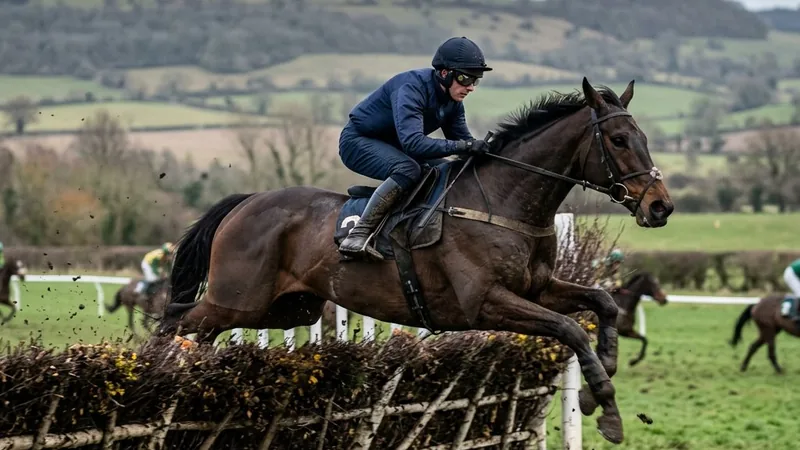
If the championship races are about precision, the festival handicaps are about value — and they're where many seasoned punters concentrate. These are enormous, ultra-competitive fields where the handicapper has tried to give every runner an equal chance, so the bookmakers genuinely struggle to separate them.
That uncertainty is the punter's opportunity. Each-way betting comes into its own, extra-place concessions are common, and a well-judged each-way bet on a fancied handicapper can pay handsomely. The work is in the form: spotting the horse that's been campaigned for this race, suited by the conditions, and overlooked by the market.
The four days and how to plan them
The festival's four days each have their own identity, and planning across them rather than betting reactively is a real edge.
Each day is anchored by a championship race and surrounded by a mix of Grade 1 contests for the best horses and ferociously competitive handicaps. The opening day sets the tone — the crowd, the famous roar as the first race goes off, and the Champion Hurdle as its centrepiece. The middle days build the drama, and the final day climaxes with the Cheltenham Gold Cup, the blue riband of jumps racing and the race the whole festival points towards.
The practical lesson is to map your week in advance. Identify the two or three races each day where you've genuinely done the form study and have a view, rather than firing at all seven. Spread your festival budget across the four days so a quiet opening day doesn't leave you chasing by the Gold Cup, and ring-fence a portion for the ante-post positions you took over the winter. The punters who enjoy Cheltenham — and come out level or ahead — are the ones who treat it as a planned four-day campaign, not a frantic dash to back something in every race. Pace yourself, bet the races you understand, and let the ones you don't go by.
It's also worth remembering that Cheltenham rewards patience with the calendar as much as on the day. The horses you'll be betting have been pointed at this festival for months, and the trends — which trainers target which races, which trial form translates to the Cotswolds, how Irish-trained runners have dominated certain divisions — are studied obsessively by serious punters for good reason. You don't need to master all of it, but knowing that a yard has a strong festival record, or that a particular prep race is a reliable Cheltenham pointer, adds real weight to your selections. The festival is the most analysed week in the jumps calendar; rewarding the homework is exactly what it does.
Staking across four days
Cheltenham is a marathon of a week — typically seven races a day across four days — and the temptation to bet every race is the quickest route to an empty account. Treat it as a campaign with a dedicated budget and a stop-loss.
Divide your festival bankroll sensibly, pick the races where you've done the work rather than firing at everything, and keep your each-way maths straight (remember each-way is two stakes). Take Best Odds Guaranteed, shop for the most places, and accept that even a good Cheltenham involves losing days. Discipline over four days beats a hot streak followed by a chase.
Pacing yourself through the week
Four days and twenty-eight races is a lot of betting, and the single biggest mistake at Cheltenham is treating every race as a must-bet. The festival's intensity — the crowds, the atmosphere, the sense that something big is always about to happen — is exactly what tempts punters into firing at races they haven't studied.
The disciplined approach is to pace yourself: pick the races where you've done the form work and have a genuine view, and happily let the others go by. Spread your budget across the four days so a slow start doesn't have you chasing by Gold Cup Friday, ring-fence your ante-post positions, and keep your stakes consistent. A bettor who backs three considered selections a day will almost always come out better than one who has a flutter on all seven. Cheltenham rewards patience and preparation — bet the races you understand, and enjoy the rest as a spectator.
For the fundamentals — each-way, ante-post, BOG and the going — start with our UK horse racing betting guide. The flat season's showpiece is covered in our Royal Ascot betting guide.
Cheltenham Festival betting — your questions answered
When is the Cheltenham Festival?
The Cheltenham Festival takes place over four days in March at Cheltenham Racecourse. It's the championship meeting of the National Hunt (jumps) season, headlined by the Cheltenham Gold Cup on the final day.
Why is ante-post betting so important at Cheltenham?
Cheltenham's best value appears in December and January, when the big trials are run and a strong performance can halve a horse's price overnight. Ante-post punters take a bigger price months out — accepting the risk the horse may not run — which is where the real edges in jumps betting are found.
What are the main championship races?
The four pillars are the Champion Hurdle, the Queen Mother Champion Chase, the Stayers' Hurdle and the Cheltenham Gold Cup — each crowning the best horse in its division. They draw the shortest, sharpest markets, so the skill is judging which top horse best suits the conditions.
Where is the value at the festival?
In the handicaps. These are huge, ultra-competitive fields where the handicapper has levelled the runners, so bookmakers struggle to separate them. Each-way betting and extra-place concessions come into their own, and a well-judged each-way bet on an overlooked handicapper can pay well.
How should I stake over the four days?
Treat it as a campaign with a dedicated budget and a stop-loss. Don't bet every race — pick the ones you've studied — divide your bankroll sensibly, keep your each-way maths straight, and take Best Odds Guaranteed. Discipline beats chasing a hot streak.
See our complete horse racing betting guide for United Kingdom — including exotic bets explained, venue guides, and our top rated licensed bookmakers.
Compare the best racing bookmakers →18+ only. Please gamble responsibly.
Free help available: gamcare.org.uk | Helpline: 0808 8020 133
Related Posts