
UK Horse Racing Betting Guide: Each-Way, BOG & Festival Value
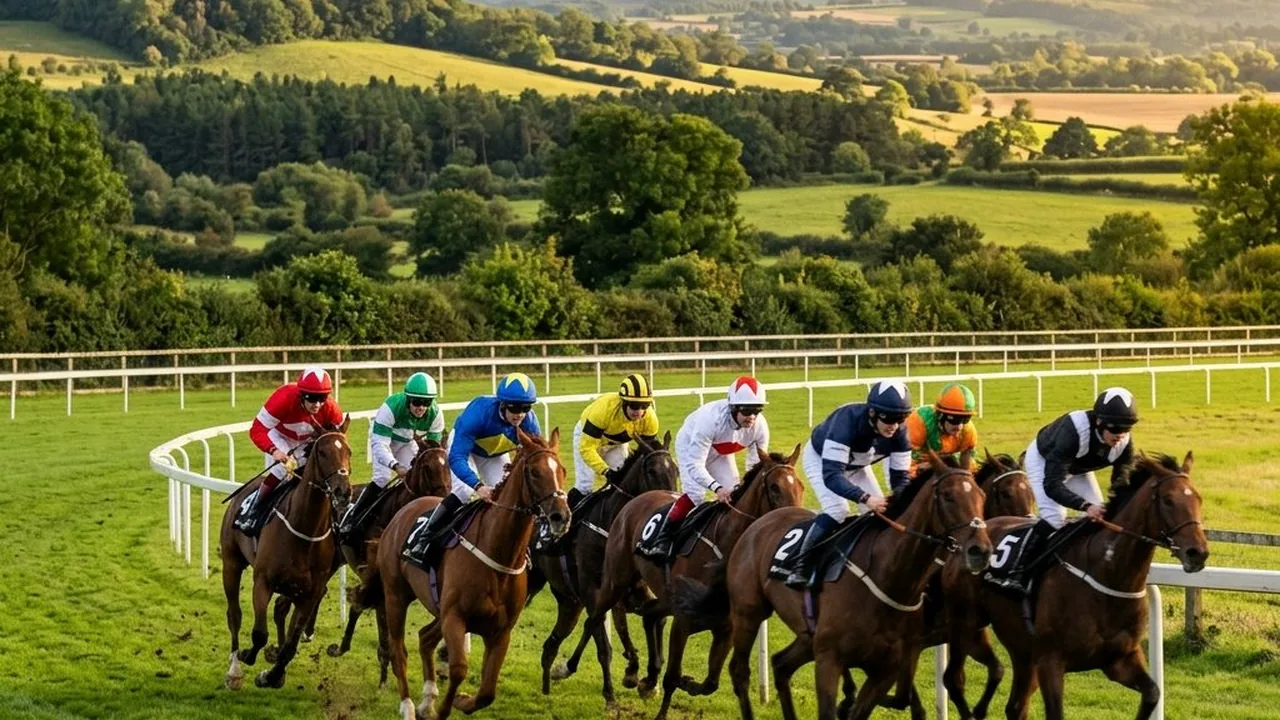
Horse racing is the bettor's sport. No other game gives you a fresh puzzle every fifteen minutes, from a Tuesday evening at Wolverhampton to the roar of the Cheltenham Gold Cup. But it also has its own language — each-way, BOG, ante-post, the going — and getting to grips with it is the difference between guessing and betting with a plan.
I've been following and betting on British and Irish racing for as long as I can remember, and the thing I tell anyone starting out is this: racing rewards the punter who understands the structure. Not tips — structure. Knowing how each-way works, when ante-post value appears, what the going does to a horse's chance.
This guide covers all of it: the core bet types, the jargon that trips people up, how to read a racecard, the festival calendar that shapes the betting year, and the staking maths that keeps you in the game. Get these foundations right and the rest is just doing the homework.
Win, place and each-way explained
The three building blocks of racing betting are simple once you see them side by side.
A win bet is exactly what it sounds like — your horse has to win. A place bet pays out if your horse finishes in the places (usually the first two, three or four, depending on the size of the field). And an each-way bet is the one that confuses newcomers: it's two bets in one. Half your stake goes on the win, half on the place.
So a £10 each-way bet costs £20 — £10 to win, £10 to place. If your horse wins, both halves pay out. If it only places, the win half loses but the place half pays at a fraction of the odds. Each-way is the cornerstone of sensible racing betting, especially in big competitive fields where backing one horse to win outright is a tall order.
Flat racing vs jumps: two different sports
British racing comes in two distinct codes, and understanding the difference is foundational to betting it well — because they reward different horses, run at different times of year, and call for different thinking.
Flat racing is exactly that: no obstacles, run on the level over distances from five furlongs to around two miles. It's a test of pure speed, acceleration and class, and it dominates the warmer months from spring to autumn. The Flat is home to the Classics and the great summer festivals like Royal Ascot, and it's where you'll find precocious young horses — many Flat stars are still teenagers in human terms, racing as two- and three-year-olds.
National Hunt — jumps racing — sends horses over hurdles or the bigger, stiffer fences of a steeplechase, over longer trips. It's a test of stamina, jumping and courage as much as speed, and it rules the winter months, building to the Cheltenham Festival and the Grand National. Jumps horses are older, tougher and race for more seasons, so punters get to know them as characters over years rather than a single campaign.
Why does this matter for your betting? Because form doesn't cross over. A brilliant Flat sprinter tells you nothing about a staying chaser, and the skills that win a two-mile hurdle are different from those that win a sprint. When you study form, you're studying within a code.
It also shapes when and how you bet. The jumps season rewards the punter who follows horses over a long winter campaign and knows their quirks — preferred going, jumping reliability, stamina. The Flat rewards quick assessment of class and speed figures, and a sharper eye on the draw and the pace of a race. Knowing which code you're betting, and playing to its logic, is the first real edge in racing.
How each-way place terms work
The 'place' part of an each-way bet pays at a fraction of the win odds — typically a quarter or a fifth — and how many places are paid depends on the size of the field. The bigger and more competitive the race, the more places bookmakers offer.
The table below shows the standard each-way terms you'll see across most UK bookmakers. Always check the specific terms shown next to the race, because for the biggest handicaps some books extend the places as a concession — paying five, six or even more places, which can be serious value in a cavalry-charge handicap like the Grand National.
| Race / field size | Places paid | Place fraction |
|---|---|---|
| 2–4 runners | Win only | — |
| 5–7 runners | First 2 | 1/4 the odds |
| 8+ runners (non-handicap) | First 3 | 1/5 the odds |
| 8–11 runners (handicap) | First 3 | 1/5 the odds |
| 12–15 runners (handicap) | First 3 | 1/4 the odds |
| 16+ runners (handicap) | First 4 | 1/4 the odds |
Best Odds Guaranteed (BOG)
Best Odds Guaranteed is the single most valuable concession in racing betting, and you should never bet a race without it where it's offered. The deal is simple: if you take a price on a horse in the morning and its starting price (SP) drifts out to bigger odds by the off, the bookmaker pays you at the bigger price.
In other words, you get the best of both — the early price if it shortens, the SP if it lengthens. Over a season of racing, consistently betting with BOG meaningfully improves your returns for doing nothing extra. Most major UK books offer it on UK and Irish racing; make it a habit to check it's applied before you confirm a bet.
Ante-post betting and when value appears
Ante-post means betting on a race well in advance — sometimes months — rather than on the day. You take a bigger price in return for a bigger risk: traditionally, if your horse doesn't run, you lose your stake.
The reward is value. Prices are at their juiciest before the market firms up. Cheltenham ante-post value is typically strongest in December and January, when the trials are run and a strong performance can halve a horse's price overnight. Royal Ascot markets build through the classic trials in April and May. The punter who does the form study early, and acts before everyone else piles in, gets the best of it.
The discipline is knowing it's a long game — some ante-post bets sit in your account for months — and only staking what you're comfortable tying up.
Reading the going
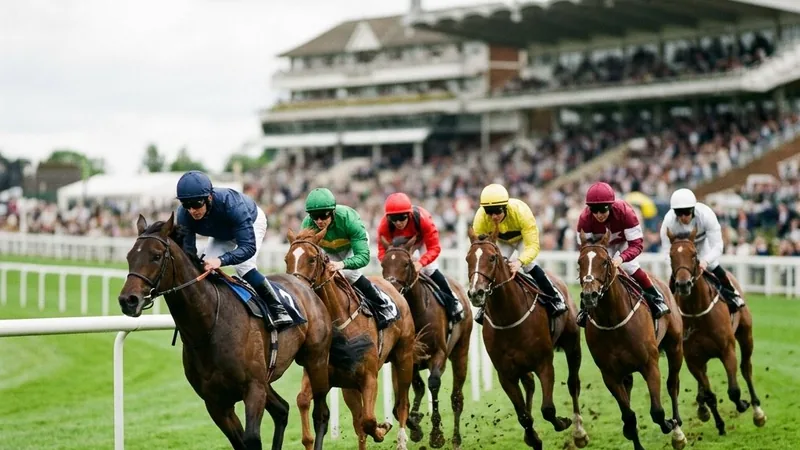
The 'going' is the condition of the ground, and it matters more than almost anything else in racing. It runs from firm and good through to soft and heavy, and horses have strong preferences.
A horse that loves soft ground can be transformed by a week of rain; one that needs a sound surface can be anonymous in the mud. Before you bet, two checks pay off: what's the going today, and does this horse have proven form on it? A glance at a horse's record on similar ground often explains a price that looks too big or too short. The going is where the form book and the weather forecast meet — and where a lot of value hides.
How to read a racecard
A racecard looks intimidating, but the key information is quick to decode once you know what you're looking at.
The form figures next to each horse show its recent finishing positions, most recent on the right — a '1' is a win, a '0' is out of the first nine, and a '-' or '/' separates seasons. Weight tells you how much the horse carries, which in handicaps is the system's attempt to give every runner an equal chance. You'll also see the jockey and trainer, the horse's age, and often headgear notes like blinkers.
You don't need to master all of it at once. Start with three things: recent form, proven form on today's going, and whether the trainer is in good form. Those three alone put you ahead of the punter who bets on the name or the colours.
The UK racing calendar
British racing runs all year, but it has a rhythm. National Hunt (jumps) racing dominates the winter, building to the Cheltenham Festival in March and the Grand National at Aintree in April. Flat racing takes over in the warmer months, through the Classics, Epsom Derby, Royal Ascot and the big summer festivals.
Understanding this rhythm is a betting edge in itself. The quiet months are for study and ante-post positioning; the festivals are separate campaigns with their own dedicated budgets. The table below maps the meetings that shape the betting year.
| Festival | Month | Course | Code |
|---|---|---|---|
| Cheltenham Festival | March | Cheltenham | Jumps |
| Grand National | April | Aintree | Jumps |
| Epsom Derby | June | Epsom Downs | Flat |
| Royal Ascot | June | Ascot | Flat |
| Glorious Goodwood | July/Aug | Goodwood | Flat |
| York Ebor Festival | August | York | Flat |
| St Leger Festival | September | Doncaster | Flat |
| King George VI Chase | December | Kempton | Jumps |
The big festivals and where the value is
Each festival rewards a slightly different approach. Cheltenham is the championship meeting of the jumps season — the best chasers and hurdlers, fierce competitive racing, and ante-post markets that have been forming since Christmas. The Grand National is the most-bet race of the year, a huge-field handicap where extra place terms and each-way betting come into their own.
Royal Ascot is the flat's showpiece — five days, dozens of races, and Group 1s where the world's best milers and sprinters meet. The summer festivals at Goodwood and York offer some of the best handicap puzzles of the year. Across all of them, the principle is the same: do the form study, take BOG, bet each-way in the big fields, and treat each festival as its own campaign with its own budget.
Staking and bankroll for racing
Racing can tempt you into too many bets — there's always another race. The punters who last are the ones with a staking plan.
Set a budget for the week or the festival and divide it into sensible units rather than chasing every race. A common approach is to stake a small, fixed percentage of your bankroll per bet, so a bad run doesn't wipe you out and a good run compounds. Treat the big festivals as separate campaigns with their own ring-fenced budget and a stop-loss — when it's gone, it's gone.
And remember the each-way maths: an each-way bet is two stakes, so a '£10 each-way' is £20 out of your pocket. Factor that in so your staking stays where you intend it.
Bet types beyond the single: doubles, trebles and forecasts
Once you're comfortable with win, place and each-way, racing opens up a rich set of multiple and exotic bets that can stretch a small stake further — provided you understand the trade-off between potential return and probability.
Doubles and trebles work like football accumulators: back two or three horses in different races, and they must all win (or place, for an each-way version) for the bet to land. The returns compound attractively, but so does the risk — each leg you add cuts the chance of the whole bet succeeding. A popular festival play is an each-way double or treble, which can return something even if your horses only place rather than win, softening the all-or-nothing edge.
Then there are the within-race exotics. A forecast asks you to predict the first two home in the correct order (a reverse forecast covers both orders); a tricast extends that to the first three. These pay handsomely because they're hard to get right, and they suit smaller fields where you have a strong view on the principals. Full-cover bets like the Yankee, Lucky 15 and Patent bundle multiple selections into a web of doubles, trebles and accumulators plus, in some cases, the singles — so you get a return even if only one or two horses win, at the cost of a larger total stake.
The honest guidance is to treat these as the adventurous end of your racing betting. They're enjoyable and can deliver eye-catching returns from a modest outlay, but the maths is against you the more selections and the more exact the requirement. Keep the stakes proportionate, understand exactly what each bet needs to win before you place it, and never let the lure of a big multiple distract you from the bread-and-butter value of a well-judged each-way single.
Following trainers, jockeys and the paddock
Beyond the form book, racing rewards the punter who pays attention to the people and patterns around a horse. Trainers go through hot and cold spells, and a yard in form — sending out winner after winner — is a powerful positive signal, while a stable whose runners are flat is worth treating with caution however good the form looks on paper. Many serious punters track trainer form closely, because a horse from an in-form yard is often running to its best.
Jockey bookings tell a story too. A leading rider taking a booking they didn't have to, or a trainer's stable jockey choosing one runner over another from the same yard, can hint at where the confidence lies. None of it is decisive on its own, but it adds colour to the bare form.
If you're at the track or watching coverage, the paddock and the early markets are worth a look. A horse that looks well — calm, fit, moving smoothly — versus one that's sweating up or fractious can be a genuine pointer, and sharp market moves (a horse being heavily backed) sometimes reflect information the bare form doesn't show. Reading these signals takes practice, and they're a supplement to form study rather than a substitute for it. But combined with the fundamentals — each-way value, Best Odds Guaranteed, proven form on the going — this extra layer of attention is the kind of edge that turns a casual racing punter into an informed one.
Two of the biggest meetings in the calendar have their own deep-dive guides — our Royal Ascot betting guide and Cheltenham Festival betting guide. For the bigger picture on betting safely and reading prices, see whether online betting is legal in the UK and how to read betting odds.
The bottom line
Horse racing rewards understanding over luck. Learn how each-way works, always take Best Odds Guaranteed, study the going, and treat the festivals as planned campaigns rather than impulse bets, and you're betting with a real edge over the casual punter.
Start small, do the form homework, and use the calendar to be early on the value rather than late on the price. The sport gives you a new puzzle every day of the year — the trick is picking the ones where you've done the work, and leaving the rest alone.
UK horse racing betting — your questions answered
What does each-way mean in horse racing?
An each-way bet is two bets in one: half your stake on the horse to win, half on it to place (finish in the top few). A £10 each-way bet costs £20. If the horse wins, both parts pay; if it only places, the place part pays at a fraction of the odds.
What is Best Odds Guaranteed (BOG)?
BOG means that if you take an early price and the starting price drifts to bigger odds, the bookmaker pays you at the bigger price. You get the best of the early price or the SP — it's the most valuable concession in racing, so always check it's applied.
How many places does an each-way bet pay?
It depends on the field size: typically two places in smaller fields, three in larger ones, and four or more in big handicaps. The place fraction is usually a quarter or a fifth of the win odds. Always check the terms shown next to the race, as big handicaps often offer extra places.
What is ante-post betting?
Ante-post means betting on a race well in advance, often months out, for a bigger price. The risk is that traditionally you lose your stake if your horse doesn't run. The reward is value — prices are biggest before the market firms up, especially for Cheltenham and Royal Ascot.
Why does the going matter?
The going is the ground condition, from firm to heavy, and horses have strong preferences. A horse that loves soft ground can be transformed by rain, while one that needs a sound surface struggles in the mud. Always check the going and the horse's proven form on it before betting.
When are the biggest UK racing festivals?
Cheltenham Festival is in March, the Grand National in April, the Epsom Derby and Royal Ascot in June, with Glorious Goodwood and York's Ebor through the summer. Jumps racing dominates the winter; flat racing the warmer months.
How should I stake on racing?
Set a budget per week or festival and stake a small, fixed portion of your bankroll per bet rather than chasing every race. Treat big festivals as separate campaigns with their own ring-fenced budget and a stop-loss, and remember an each-way bet is two stakes.
See our complete horse racing betting guide for United Kingdom — including exotic bets explained, venue guides, and our top rated licensed bookmakers.
Compare the best racing bookmakers →18+ only. Please gamble responsibly.
Free help available: gamcare.org.uk | Helpline: 0808 8020 133
Related Posts