
Royal Ascot Betting Guide: How to Bet the Flat’s Big Week
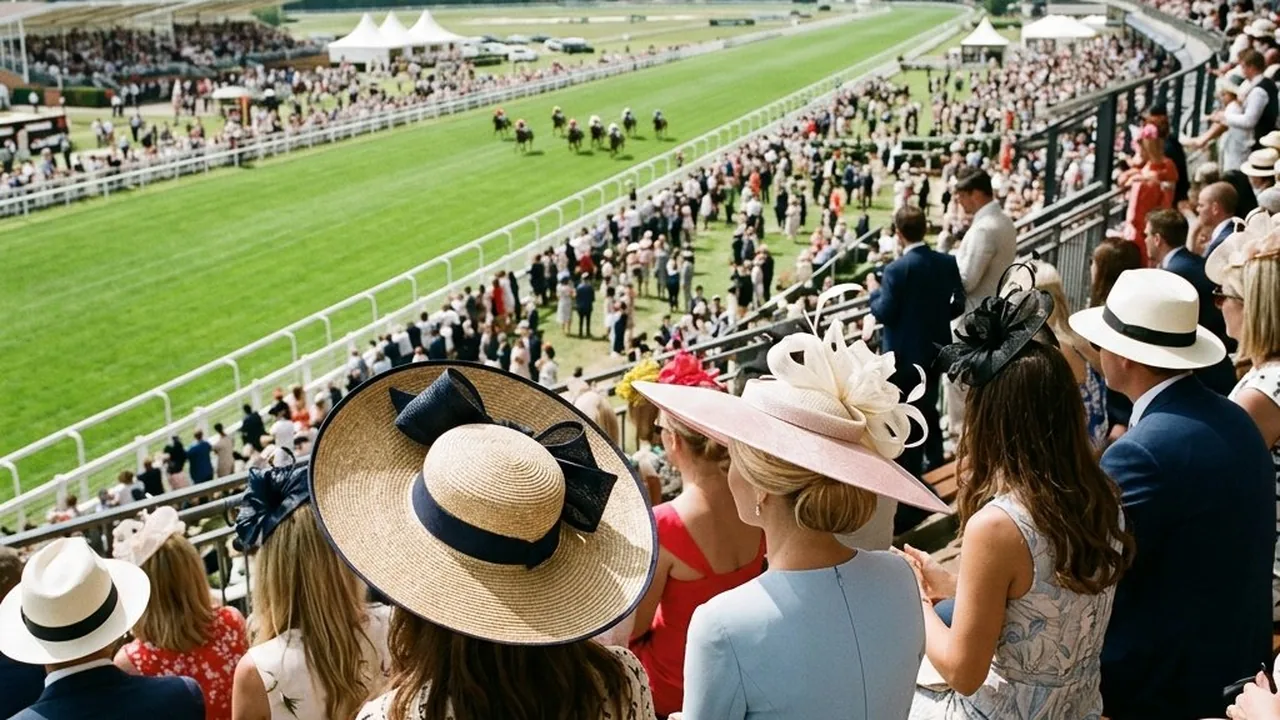
Royal Ascot is the jewel of the British flat season — five days of championship-class racing, royal pageantry and some of the most competitive betting heats of the year. For the punter, it's a festival that rewards preparation: deep fields, world-class horses, and markets that reward anyone who's done the form study.
Held at Ascot in June, the meeting runs to dozens of races across the week, including a clutch of Group 1 contests that draw the best milers, sprinters and stayers from Britain, Ireland and beyond. The quality is relentless, which is exactly why it's such a good — and such a tricky — betting week.
This guide covers the race types you'll be betting into, how each-way and the extra place terms work in these big fields, the all-important draw, and where the value tends to hide across the five days.
The race types and the big heats
Royal Ascot mixes elite Group races with fiercely competitive handicaps, and the two demand different approaches. The Group 1s — the championship races — pit the best against the best, so the form is exposed and the prices are short; value here is about reading which top horse is best suited to the conditions.
The big handicaps are the opposite: huge fields of well-matched horses where the bookmakers can't separate them, which is where the each-way punter and the form student earn their money. Across the week you'll see the full range of flat distances, from blistering five-furlong sprints to the marathon staying contests.
Each-way betting and extra places
With fields this big and this competitive, each-way betting is the bread and butter of Royal Ascot. Backing one horse to win outright in a 20-runner handicap is a tall order; an each-way bet gives you a return if your selection runs into a place.
This is where the extra-place concessions matter most. During big festivals, many bookmakers extend the standard each-way terms — paying five, six, seven or more places in the biggest handicaps instead of the usual three or four. That's significant value, so it pays to shop around for the book offering the most places on your race. Always check the terms displayed next to the market before you bet.

The draw and the going
Two factors swing Royal Ascot races more than punters expect. The draw — a horse's starting stall — can matter enormously in the big-field sprints, where one side of the track sometimes holds an advantage depending on the ground and how the race is run. It's worth checking whether a bias is emerging as the week unfolds.
The going, as ever, is decisive. Ascot in June can be anything from quick summer ground to soft after rain, and many horses have strong preferences. A glance at a runner's record on today's going often explains a price — and points you towards value the market has overlooked.
Reading the form for a big handicap
The huge, competitive handicaps are where Royal Ascot betting is won and lost, so it's worth knowing how to approach one rather than just backing a name.
Start with the obvious: recent form, but read it in context. A horse beaten in its last run might have met trouble, been unsuited by the trip or the going, or been quietly aimed at this race all along. The form figures are a starting point, not a verdict. Next, weight — in a handicap, the system loads weight onto the better horses to level the field, so a well-treated horse carrying less than its true ability is the value-hunter's target. Look for one the handicapper may have underestimated.
Then the conditions: does this horse have proven form on today's going and at this trip? A confirmed soft-ground stayer is a different proposition on quick summer ground over an inadequate distance. Finally, look at the trainer and the booking — yards in good form and a notable jockey switch can both be telling signals that connections fancy the run. Put those together — form in context, a potentially lenient mark, proven conditions, sharp connections — and you've got the makings of a value each-way bet rather than a guess. In fields this big, that disciplined process is exactly what separates a return from a torn-up slip.
And don't neglect the watching brief as the week goes on. Royal Ascot often reveals patterns in real time — a draw bias developing on the straight course, a particular type of horse handling the ground better than expected, a stable clearly in form with winners across the days. The punter paying attention on Tuesday and Wednesday is better armed for Thursday, Friday and Saturday than the one treating each day in isolation. Let the meeting teach you as it unfolds.
Where the value is across the week
The smart Royal Ascot punter treats it as a campaign, not a sprint. The Group races are about precision — picking the right elite horse — while the handicaps are about value and each-way coverage. Ante-post markets for the feature races build through the spring trials, so the homework done in April and May pays off in June.
Across all of it, the racing fundamentals apply: take Best Odds Guaranteed, shop around for the best price and the most places, bet each-way in the big fields, and ring-fence a festival budget so a quiet day doesn't tempt you into chasing.
Enjoying the meeting responsibly
Royal Ascot is as much an occasion as a betting event, and that atmosphere is part of what makes it special — but it can also loosen the discipline that keeps betting fun. Surrounded by the buzz of a famous meeting, it's easy to bet more, and more often, than you planned.
The antidote is to decide your approach before the week starts: a set budget for the five days, a sensible staking unit, and a clear sense of which races you'll actually bet rather than having a punt on every one. Treat it as a campaign with a beginning and an end, take Best Odds Guaranteed and the extra each-way places where they're offered, and remember that the goal is to enjoy a brilliant week of racing — a return is a bonus, not the point. Bet within your means, and Royal Ascot stays the highlight of the summer it should be.
For the full grounding on each-way, BOG, the going and festival staking, see our UK horse racing betting guide. The other championship meeting of the year, over the jumps, is covered in our Cheltenham Festival betting guide.
Royal Ascot betting — your questions answered
When is Royal Ascot?
Royal Ascot is held at Ascot Racecourse in June, running across five days from Tuesday to Saturday. It's the showpiece meeting of the British flat season, featuring multiple Group 1 races alongside the big competitive handicaps.
Why is each-way betting popular at Royal Ascot?
The fields are large and fiercely competitive, so backing a horse to win outright is hard. Each-way betting gives you a return if your selection places, and during the festival many bookmakers extend the place terms — paying extra places in the big handicaps, which is real value.
Does the draw matter at Royal Ascot?
Yes, particularly in the big-field sprints, where one side of the track can hold an advantage depending on the ground and how the race is run. It's worth watching whether a draw bias emerges as the week unfolds before placing your sprint bets.
How should I approach betting the whole festival?
Treat it as a campaign with a ring-fenced budget. Be precise in the Group races (picking the best-suited elite horse) and value-driven in the handicaps (each-way, extra places). Do the ante-post homework through the spring trials and take Best Odds Guaranteed.
Where should I bet on Royal Ascot?
Use UKGC-licensed bookmakers, and shop around — during the festival, books compete on extra each-way places and price boosts, so the best terms vary by race. Holding two or three accounts lets you take the most places and the best price on each bet.
See our complete horse racing betting guide for United Kingdom — including exotic bets explained, venue guides, and our top rated licensed bookmakers.
Compare the best racing bookmakers →18+ only. Please gamble responsibly.
Free help available: gamcare.org.uk | Helpline: 0808 8020 133
Related Posts